Showing posts with label veg dishes. Show all posts

SPINACH CORN RICE


Spinach corn rice is a healthy variation of rice. This is a quick recipe with few ingredients. This dish is mildly flavoured and one can enjoy the taste of spinach and corn without any overpowering flavours.


Regular cooking rice like sona masuri, surti kolam or any other variety can be used. I have used basmati rice in this recipe. Pre-boiled or steamed corn kernels are used in this recipe. I prefer steaming the corn than boiling them.

It is very essential for this dish to look good and be attractive enough to convince the hesitant eaters who may resist from the spinach and rice combination. Be very gentle while mixing the rice with the veggies. In short, the sight of this dish should be welcoming! Once you taste this rice dish you will surely get hooked on to it.

Recipe for Spinach corn rice


Ingredients for Spinach corn rice


  • 2 cups cooked rice
  • 2 cups spinach (finely chopped)
  • 3/4th to 1 cup corn kernels (steamed or boiled)
  • 1 big onion (finely chopped)
  • 4 cloves of garlic (finely chopped)
  • 1 tbsp butter
  • 1 tbsp olive oil
  • Salt and pepper to taste


How to make


Heat the oil and butter in a nonstick pan. Add the garlic and onion. Saute for one minute or until onions become translucent.


Add corn and spinach together. Saute for one minute.


Once the spinach wilts, add rice and mix well with a light hand such that the rice grains do not break.


Add salt and pepper to taste and mix again.


Serve hot with your favourite raita or salad. I have teamed it up with carrot and pomegranate raita.


MASALE BHAT


Big or small occasions, Masale bhat is a must have dish on the menu. Masale bhat is a rice based preparation, popular in Maharashtra.


One more reason why Masale bhat is made on every occasion is that it is easy to make recipe.  It is also considered as a one-pot meal. You just have to make this aromatic rice with some koshimbir or raita and you are ready to go.

Traditionally carrot, potato, cauliflower and green peas are added with goda masala and basic condiments. Surti kolam or sona masuri rice is preferred more. Nowadays basmati rice is also used.


Masale bhat is one dish which is incomplete without its garnish; grated fresh coconut and finely chopped coriander. The sweetness of fresh coconut compliments the mildly spiced Masale bhat.

Recipe for Masale bhat


Ingredients for Masale bhat


  • 1 cup basmati rice
  • 2 cups vegetables (potato, cauliflower, peas)
  • ½ cup onions (finely chopped)
  • 2 nos green chillies (finely chopped)
  • 1 tbsp ginger garlic paste
  • ¼ tsp turmeric powder
  • 1 tbsp goda masala
  • 1 tsp red chilli powder
  • ½ cup fresh coconut (grated)
  • ½ cup coriander leaves (finely chopped)
  • 4 tbsp oil
  • 2 tbsp ghee or clarified butter
  • Salt to taste

For spice mix

  • 1 tsp coriander seeds
  • 1 star anise
  • 4 to 6 cloves
  • 3 to 4 small pieces cinnamon

How to make


Soak the rice for 15 minutes.


Dry roast cloves, cinnamon, star anise and coriander seeds for 2 minutes or until fragrant.

Cool the khada masalas completely before grinding it.

Grind it to get a coarse powder. Keep aside.


Heat some oil with ghee. Add cumin and mustard seeds. Sauté until they crackle.


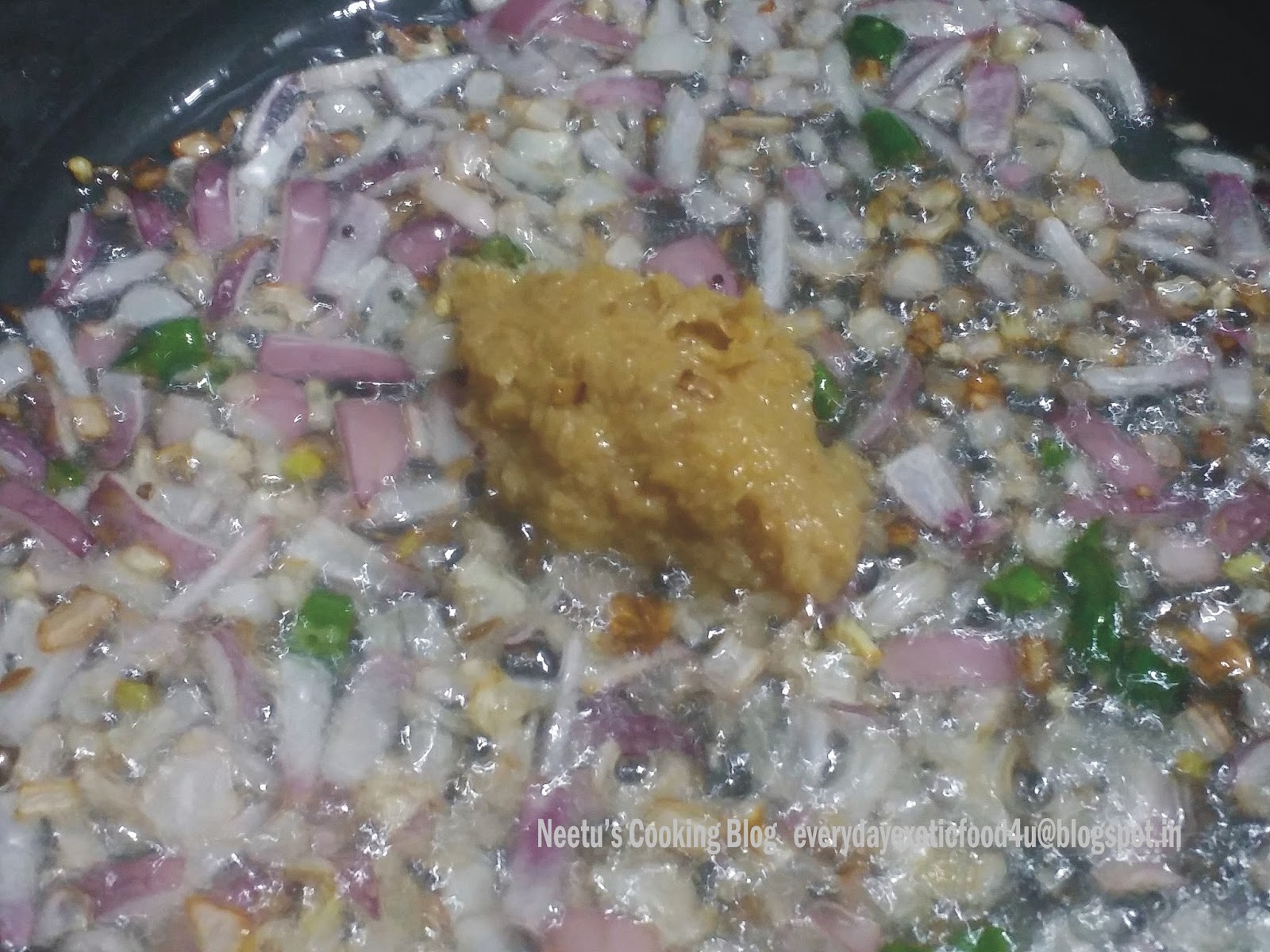
Add onions and green chillies. Sauté until onions become translucent.


Add ginger garlic paste. Cook for a minute.


Now add turmeric powder, red chilli powder, freshly prepared spice mix and goda masala. Mix well.


Add vegetables and mix well.


Add soaked rice. Sauté for 2 minutes.


Add 2 cups of water and salt. Bring it to boil.


Cover with lid, reduce the heat to low and cook until done. Stir occasionally.


Garnish with generous amount of grated coconut and coriander leaves. Serve with Kakdichi koshimbir (cucumber raita).

PAVTYACHI AMTI


Pavtyachi amti or lima beans curry is a maharashtrian style preparation. Pavta is also known as vaal or farasbi or fava beans. A maharashtrian spice mix, goda masala is used in this recipe. If you don’t have it, skip it and go ahead with the recipe. You are still going to like it.


As school going kid I remember the pavtyachi amti I used to relish at my friend’s place with jowar bhakri. I don’t remember if I have ever complimented aunty for that amti. Next time I meet her I am surely gonna thank her for all those treats. Thank you Meghana for all those tasty lunches!

My recipe for Pavtyachi amti is inspired from my lunches at my friend’s home. The spicyness of this gravy can be adjusted according to preference.

Recipe for Pavtyachi Amti


Ingredients for Pavtyachi Amti


  • 500gms pavta or lima beans
  • ¼ cup fresh or dry coconut (grated)
  • 1 inch piece ginger
  • 10 cloves garlic
  • ¼ cup onion (finely chopped)
  • ¼ tsp turmeric powder
  • 1 tsp red chilli powder
  • ½ tbsp goda masala
  • ¼ cup oil
  • Salt to taste

How to make


Deshell the pavta and keep aside.

Make a coarse paste of coconut with ginger and garlic.


Heat oil in a pan. Tip in the pavta. Fry the pavta beans for 2 to 3 minutes. This step enhances the flavour of pavta or lima beans.


Add chopped onions to it. Fry for a minute till onions turn translucent.


Now add the coconut paste and sauté for 2 to 3 minutes.


Add turmeric powder, red chilli powder and goda masala.


Saute for 5 minutes until oil starts separating.


Add enough water and salt to taste. Quantity of water will be according to the required consistency of gravy. I have added one and half cups of water.


Bring it to boil. Simmer for 8 minutes.


Serve with Bhakri or chapati.

HALDI PANEER


At times you want to do a particular thing but for a hundred reasons or for unknown reasons you don’t do it. Well haldi ki sabzi is that dish which I wanted to try for a long time but couldn’t bring myself to prepare it.

During my three years stay in Jodhpur I had a wonderful time exploring Rajasthani culture, festivals and food. Due to my close interaction with some local friends I was able to know more about rajasthani food culture. But amazingly I missed on this one dish, haldi ki sabzi, until recently I prepared it. I discovered that haldi ki sabzi is my favourite rajasthani sabzi till date. I liked it so much that I prepared it a couple of times more for my guests.


Preparation of this dish takes a bit of time as the fresh grated haldi needs to be sauted on low heat for 30 to 45 minutes depending on the quantity. Believe me , every bit of this labour is worth it. In Rajasthan this sabzi is prepared in bulk for one time, stored in refrigerator and used as required.

Quantity of ghee (clarified butter) required for this dish is equal to the quantity of haldi (turmeric).

Reducing the amount of ghee may cause turmeric to stick to bottom. I realised that enough quantity of ghee makes the process a little easy. Nothing to worry about that extra ghee. It gets separated at the end of preparation and it can be removed easily with help of a ladle. The turmeric flavoured ghee can be used for tempering a dal or smear it on chapatti, roti or phulka.

Generally in Rajasthan Haldi ki sabzi is prepared with green peas. The yellow and green sabzi looks beautiful. Here is a little twist to the traditional Haldi ki sabzi.  Paneer (cottage cheese) compliments haldi very well.


Recipe for Haldi Paneer


Ingredients for Haldi Paneer


  • 250gms fresh haldi or turmeric (grated)
  • 250gms ghee (clarified butter)
  • 150gms paneer (cut into cubes)
  • ½ cup onion (finely chopped)
  • ½ cup curd (beaten)
  • 8 to 10 cloves garlic (crushed)
  • 2 tsp red chilli powder
  • 1 tsp coriander powder
  • 1 tsp cumin powder
  • Salt to taste

How to make


Add ghee in a medium hot pan. Add the crushed galic. Sauté for a minute.


Tip in the grated haldi. Reduce heat to low.


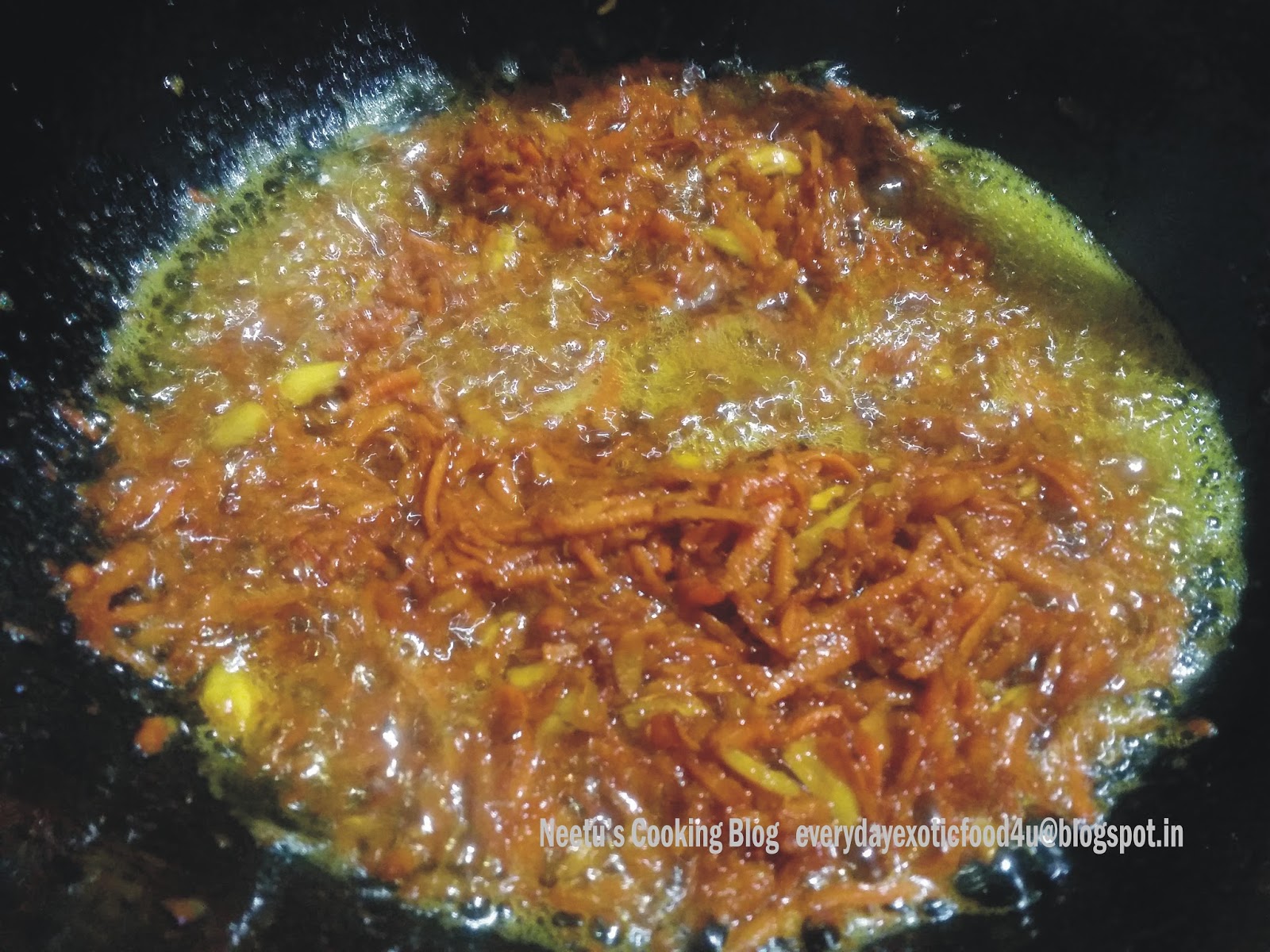
Sauté on low heat until turmeric changes colour from yellow to light brown and the ghee separates from sides. Remember to sauté continuously as it tends to stick to the bottom.


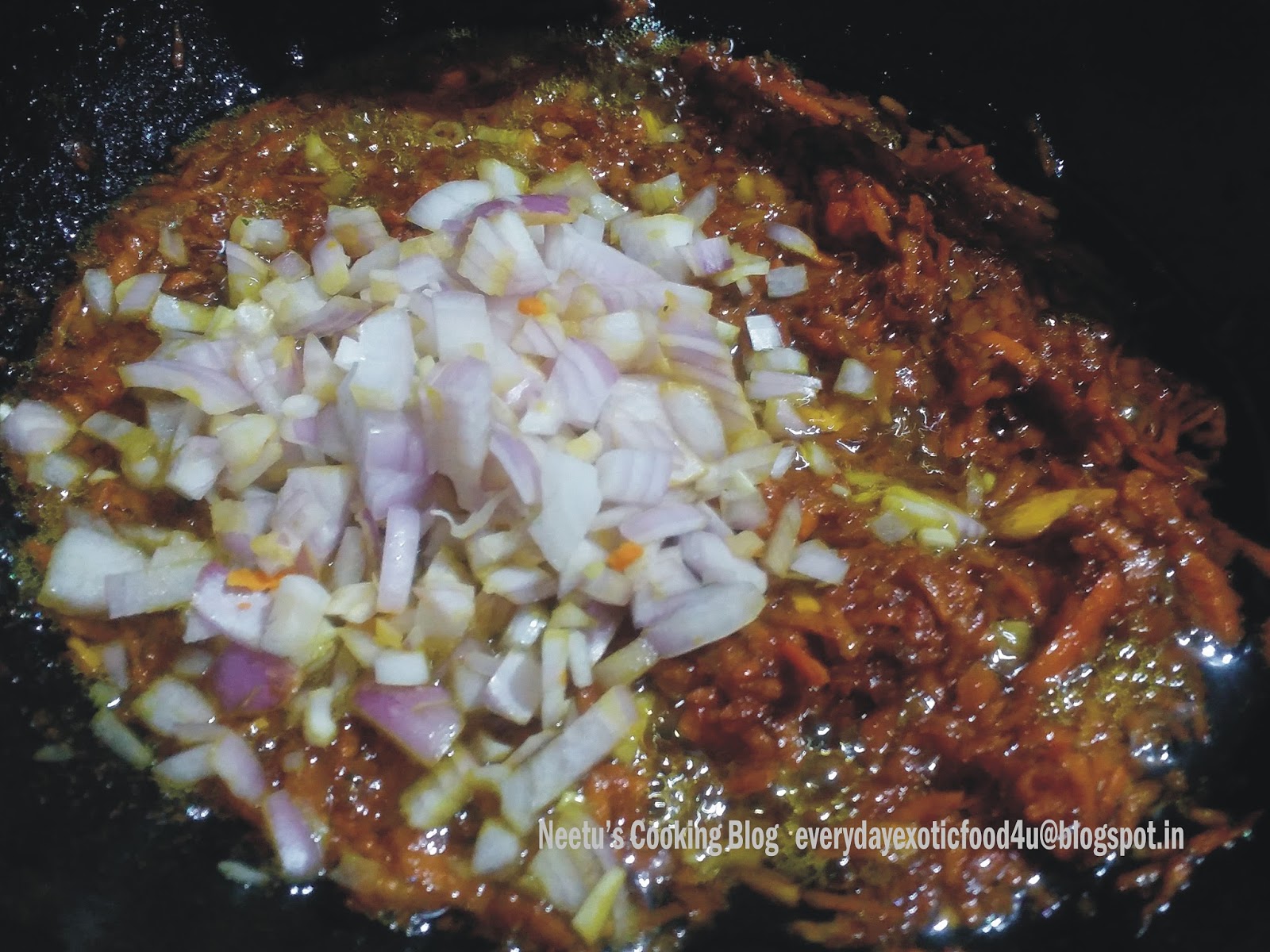
Add onions. Saute for 2 minutes.


Add red chilli powder, coriander powder, cumin powder and salt. Mix well.


Now add beaten curd and mix well.


Sauté continuously for 5 minutes until the ghee starts floating at the surface.


Tip in the paneer cubes and cook for another 5 minutes.

Delicious Haldi paneer is ready to eat. This sabzi can be prepared in bulk and stored in refrigerator for entire winter (minus the paneer). Heat the required quantity from refrigerator and add paneer or peas or any other vegetable of your choice. 

KACHRI MIRCH KI SABZI


Kachri is a wild variety of cucumber. It is also called as wild melon. It grows wildly in the deserts. It is mainly consumed in Rajasthan.


Kachri has a sour taste. It acts as a coolant for body in hot climate. At times few kachris are bitter, therefore it is necessary to check them before chopping. Also select the kachris which are not too soft and not too hard.


Kachri with green chillies is a popular preparation in rajasthani kitchens. The hot chillies cut the sharp sourness of kachris. Both red and green chillies are used in this sabzi. I have used only green chillies.

Recipe for Kachri Hari Mirch ki Sabzi


Ingredients for Kachri Hari Mirch ki Sabzi


  • 250 gms Kachri
  • 10 to 12 green chillies (chopped)
  • ¼ tsp kalonji (nigella seeds)
  • ½ tsp fennel powder
  • ½ tsp cumin powder
  • ¼ tsp turmeric powder
  • ¼ cup oil
  • A pinch of asafoetida

How to make


Peel the kachri and remove seeds if  they are hard. Check for bitterness before chopping.


Add kalonji and asafoetida to hot oil in a kadhai or skillet.

As the kalonji crackles add the kachri, turmeric powder, fennel powder and cumin powder. Saute for a minute.


Cook on low heat for 7 to 8 minutes covered with lid.


Add  green chillies and salt. Mix well.


Cook for 2 more minutes with lid on.

Serve with phulka or roti.

TUVAR LILVA SABZI/ GREEN TUVAR SABZI


Tuvar lilva or surti papdi lilva as it is called in gujrat is green pigeon peas. It looks similar to green peas but differs in taste.

Tuvar lilva sabzi is a winter special vegetable preparation. In Maharashtra amti is prepared with green tuvar.  It is also boiled in salty water and enjoyed as an evening snack in winters.

Green tuvar or pigeon peas take more time to cook as compared to green peas. Generally it is pressure cooked. As I was preparing a small quantity I cooked it in a kadai or skillet.

Recipe for Tuvar lilva sabzi


Ingredients for Tuvar lilva sabzi


  • 250 gms  green tuvar or pigeon peas
  •  1 medium sized potato (diced)
  • ½ tsp ginger paste
  • ½ tsp garlic paste
  • 1 tsp green chillies paste
  • ¼ tsp ajwain or caraway seeds
  • A pinch of asafoetida
  • ½ tsp coriander powder
  • ¼ tsp cumin powder
  • ¼ tsp turmeric powder
  • salt to taste
  • coriander leaves for garnish

How to make


Heat some oil in a pan. Add ajwain, asafoetida and turmeric powder.


Tip in chopped onions. Sauté till onions become translucent.

Now add ginger, garlic and green chillies paste. Saute for two minutes.


Add potato, turmeric, coriander and cumin powder. Also add salt. Mix well.


Add in green tuvar or pigeon peas and salt.


Pour half cup of water. Cover with lid. Cook on low heat until done (8 to 10 mins).

Finish the preparation with a handful of chopped coriander leaves.

Serve with chapatti or phulka.